
What Nvidia’s Year-End Shocker Says About Next Year
Welcome, Weekenders! In this newsletter:
• A Tehran thriller, a chronicle of tech epochs—and 18 more great books to read over the holidays
• The best video games of 2025
• The best new tech and business podcasts of 2025
Back in 2024, Nvidia’s Jensen Huang made a really memorable boast: Even if his competitors started giving away their chips for free, they still couldn’t surpass what Nvidia had to offer. (You can hear those remarks in a talk he gave at Stanford in this video around the 26-minute mark.)
Well, judging by the unexpected turn of events on Christmas Eve, Huang has changed his tune a little. I’m talking, of course, about the news from Wednesday that Nvidia will spend $20 billion on an acqui-hire deal for Groq—a transaction priced as plump as a holiday ham: Just a few months ago, Groq was valued at $6.9 billion, a figure that seemed pretty lofty then. For that sum, Nvidia will license technology from Groq, which makes chips that specialize at a single task, and add several of its key executives, including co-founder Jonathan Ross, who designed versions of similar chips while working at Google.
Huang has long argued that Google’s chips—called tensor processing units or TPUs—and other alternatives such as Groq’s are inferior to the Nvidia’s chips, which can handle more tasks but are also more expensive. Now, his decision to pick up Groq seems to offer a couple signals about what’s ahead in 2026.
A primary matter: After a years-long investment binge, we’re likely to be talking a lot more about costs and efficiencies within AI than we have been. That shift would benefit anyone making cheaper chips. I’d expect that we could hear about another couple major deals with Broadcom, a top Nvidia competitor and a top supplier of these custom chips, and I wouldn’t be surprised to see Broadcom shares outperform Nvidia’s. (In the past, the company has been narrowly focused on only a few customers—most prominently, Google Here’s more about Broadcom and its brash leader, Hock Tan, in this Weekend Big Read.)
That’s all me taking some educated guesses, but here’s a thought that’s as much a certainty as Christmas falling on Dec. 25 next year: If everything goes according to plan, I’m sure Huang won’t be handing out anything for free.
What else from this week…
• President Donald Trump on Tuesday said America would ban sales of foreign-made drones. The move deals a severe blow to several Chinese companies, including DJI and Autel Robotics, and gives a significant lift to a slew of U.S. drone manufacturers, nearly all of which have attracted funding from the biggest investors, including Andreessen Horowitz, Founders Fund, Coatue Management and Kleiner Perkins. (These drones get sold to everyday consumers, and they’re also a major part of the digitization of American law enforcement, a trend that has spread to local cities and public safety agencies, which I talked about at length in last week’s Big Read.)
The Trump administration says the Chinese drones are a security risk. Yet they’ve been used by all sorts of U.S. government agencies for a decade plus—without any evidence of major risks—and many of those organizations lobbied against a ban, a movement that attracted bipartisan support.
Of course, who knows if this is really the end of the line for those Chinese companies. Maybe their fate just becomes another bargaining chip in discussions between America and China next year. After all, Trump bans and trade policies have tended to have as much staying power as an aged string of holiday lights.
• In China, meanwhile, authorities have undertaken a massive crackdown on some AI content, which has worried some in the government that such an effort could hamper innovation—and make Chinese AI less competitive with America.
• Billionaires like Peter Thiel and Larry Ellison are thinking about spending less time in California if a new wealth tax happens.
• As Netflix continues to dole out the final “Stranger Things” episodes, the Duffer Brothers talk about the influences behind the series’ last season, including “Evil Dead 2,” “Children of Men” and a 1970 musical called “Donkey Skin.”
• We’re getting better about taking smartphones out of the hands of children and teenagers. But if the old farts I encountered at my family Christmas are any indication, then The Atlantic’s Charlie Warzel is definitely correct that the technology is just as addictively corrosive for older adults, who, like the youths, lack the type of digital literacy that safeguards against brain rot.
• Waymo hopes a software update will prevent any further Waymo-pocalypses, like the kind the company experienced during last weekend’s San Francisco blackout.
• The internet has killed the humble dictionary, mourns The New Yorker. (Also, this Shouts & Murmurs piece is a goodie: “If Ebenezer Scrooge Had Instagram.”)—Abram Brown
Weekend’s Latest StoriesBooks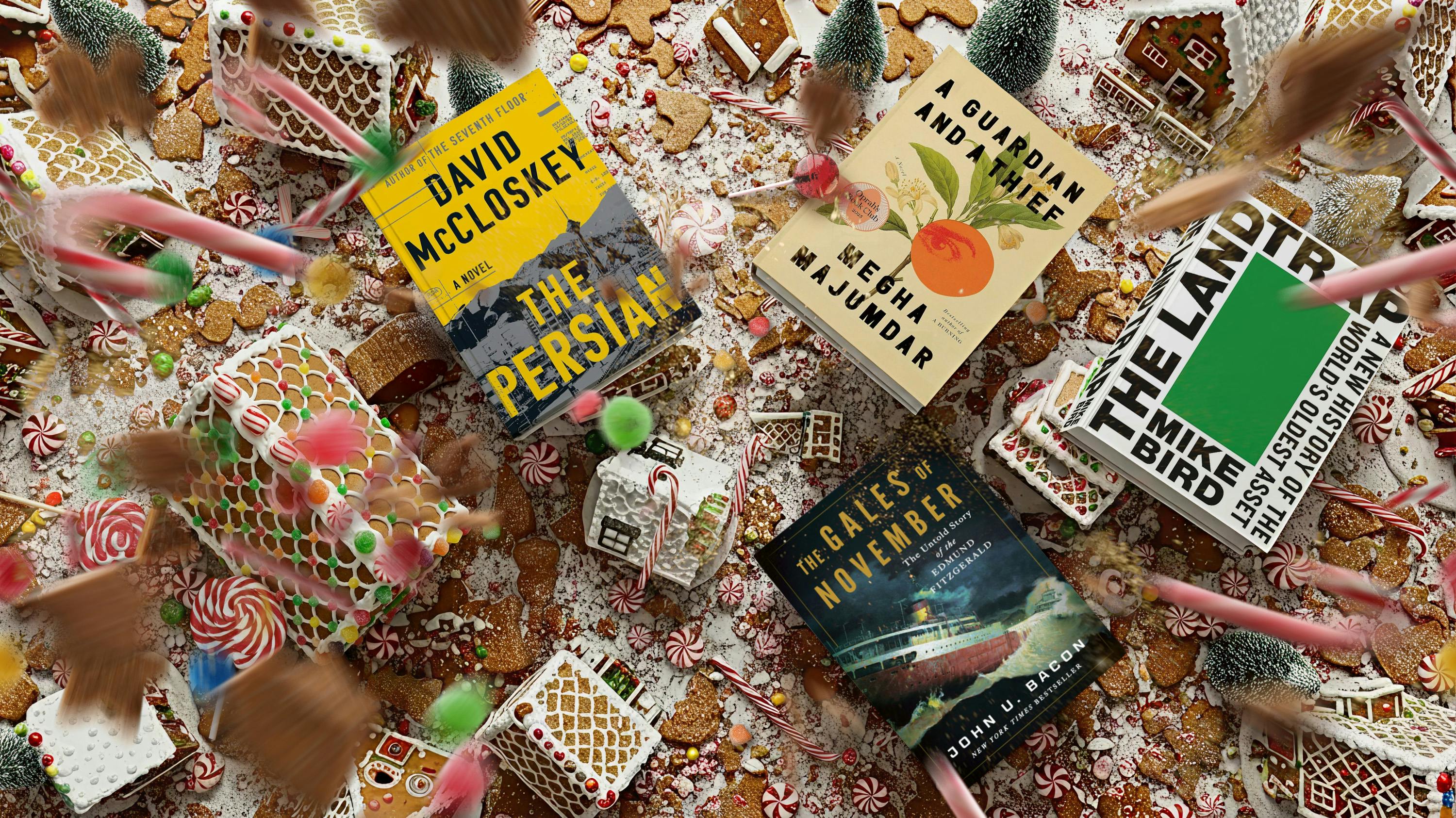 20 Great Books to Read Over the Holidays
If you’re lucky enough to find time to sit back and open a book, one of these’ll do ya just fine: This mix of fiction and nonfiction picks has a captivating retelling of a memorable shipwreck, a treatise on the world’s most valuable asset, a dystopian heartbreaker set in India and a chronicle of a cultish startup—or, perhaps I should say, a cult that was a startup.
Lists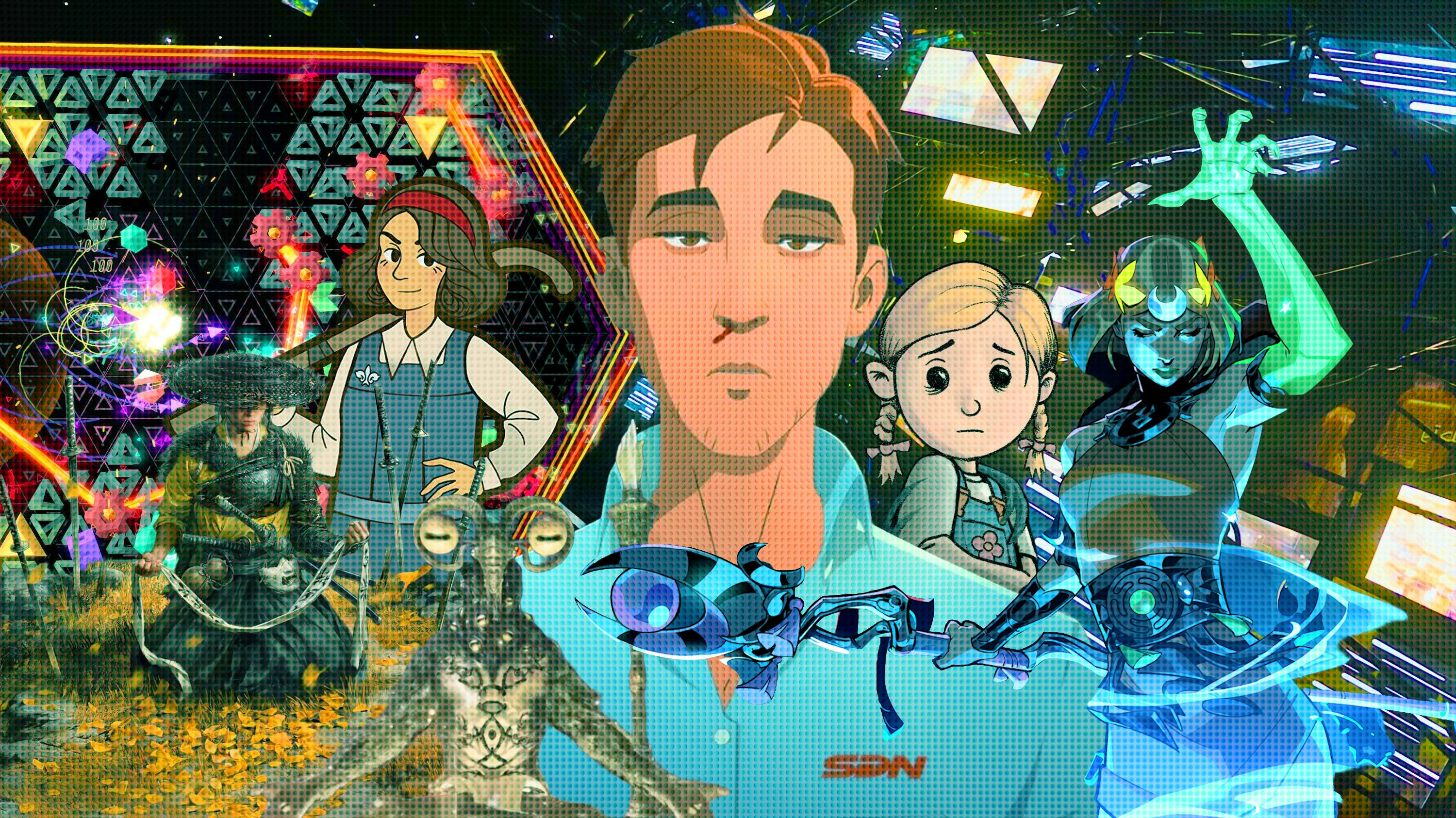 The Best Video Games of 2025
 Simon Parkin, a returning contributor to Weekend and host of the “My Perfect Console” podcast, has assembled a definitive list of the year’s standout games, including the latest Elden Ring, a Japanese samurai epic and a puzzlebox set in a boarding school. Simon’s highlighted 17 such titles—17 great ways to fill the winter hours.
Lists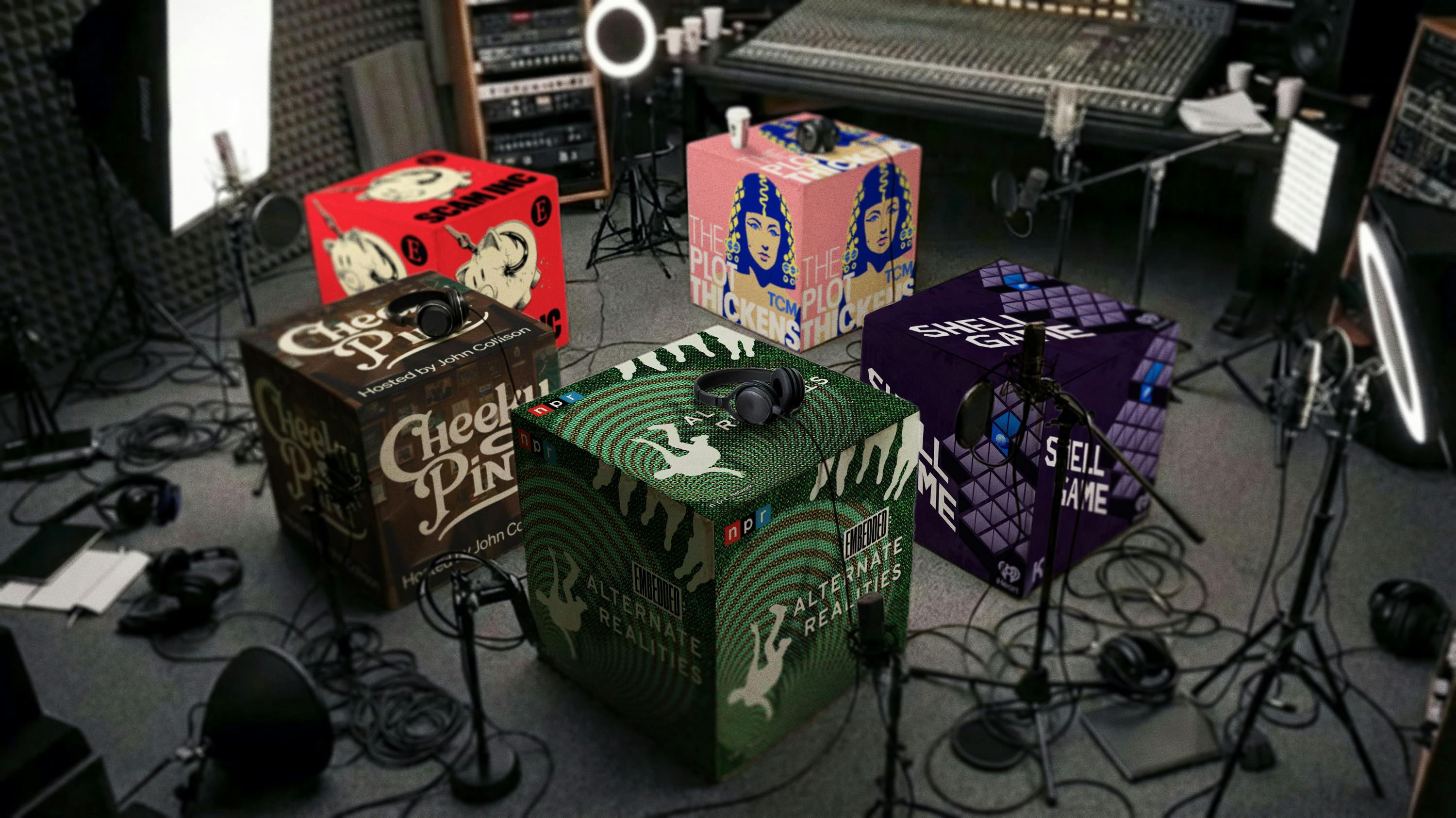 The Best New Tech and Business Podcasts of 2025
An onslaught of video chat shows dominate the slate of new podcasts this year—mostly yielding forgettable results. That said, I think John Collison has some real skill at the medium, and you’ll find his “Cheeky Pint” on this list along with an assortment of other debut pods. I’m spotlighting several long-form ones, including a quest to push agentic AI technology to its limits and another series about an enormous Hollywood fiasco.
Abram Brown is the editor of The Information's Weekend section. You can reach him at [email protected] or find him on X.