
Cybersecurity Essentials for Distributed Tech Teams: Zero-Trust, Identity Management, and Beyond
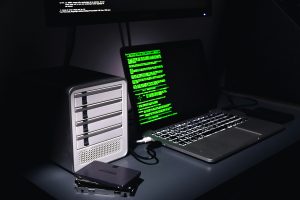
As remote work continues to redefine how tech teams operate, distributed engineering teams face unique cybersecurity challenges. Protecting sensitive code, proprietary algorithms, and customer data requires more than standard password protection — it demands a comprehensive strategy that spans identity management, zero-trust frameworks, and encrypted communications. This article explores practical cybersecurity essentials for distributed tech teams and highlights how structured company formation can further support compliance and operational security.
The Rise of Distributed Tech TeamsThe COVID-19 pandemic accelerated a trend that was already underway: technology teams working remotely across multiple geographies. Cloud-based collaboration platforms, virtual private networks (VPNs), and project management tools have made it easier than ever to coordinate work from anywhere. While these tools enable flexibility, they also expand the attack surface for cybercriminals.
Distributed teams face challenges such as inconsistent security policies across locations, varying levels of hardware security, and reliance on personal networks. In this environment, even minor lapses in security can lead to major breaches. That’s why implementing robust cybersecurity measures is no longer optional — it is essential.
Implementing a Zero-Trust FrameworkAt the core of modern cybersecurity for distributed teams is the zero-trust model. Unlike traditional security, which assumes devices inside a corporate network are trustworthy, zero-trust assumes no device or user should be automatically trusted. Verification must occur continuously.
Key practices include:
- Micro-segmentation: Dividing the network into smaller zones to limit the lateral movement of attackers.
- Least-privilege access: Giving team members only the permissions necessary to perform their roles.
- Continuous authentication: Regularly validating user identity and device integrity using multi-factor authentication (MFA).
Zero-trust strategies not only protect sensitive codebases but also ensure that even if a single device is compromised, the attacker cannot access the entire system.
Identity and Access Management (IAM) for Remote TeamsIdentity management is critical for distributed teams. With employees and contractors spread across multiple locations, ensuring the right people have access to the right resources becomes a logistical challenge. IAM systems streamline user provisioning, access control, and auditing. Key components include:
- Single Sign-On (SSO): Reduces password fatigue and simplifies access to multiple services.
- Role-based access control (RBAC): Defines access policies based on team member roles to maintain security without hindering productivity.
- Audit trails: Tracks user activity for compliance and internal monitoring purposes.
By implementing robust IAM, distributed teams can prevent unauthorized access and maintain clear accountability.
Encrypted CommunicationEven with zero-trust and IAM in place, unsecured communications can still leave teams vulnerable. Remote tech teams often rely on instant messaging, email, and video conferencing tools, which can be intercepted if not properly secured. Essential encryption practices include:
- End-to-end encryption (E2EE) for messaging platforms.
- TLS/SSL for data transmitted over web applications.
- Encrypted cloud storage for project files and code repositories.
Encrypting communication ensures that sensitive technical information remains confidential, even if a network is compromised.
Compliance and the Role of Company FormationBeyond technical measures, structured company formation plays a critical role in operational security. Properly registered companies have the legal framework to implement corporate cybersecurity policies effectively, define accountability, and meet regulatory requirements.
For distributed tech teams, taking guidance from company formation services like Your Company Formations ensures that the organization has:
- Clearly defined legal responsibilities for data protection.
- The ability to implement company-wide security policies and contractual compliance with clients.
- Access to business banking, corporate accounts, and official documentation that supports secure operations.
Integrating company formation into the cybersecurity strategy reinforces accountability and operational discipline across all team members, no matter their location.
Cloud Security and Collaboration ToolsDistributed tech teams heavily rely on cloud platforms for development, testing, and deployment. Securing cloud infrastructure involves:
- Configuring access permissions carefully.
- Enforcing MFA for all cloud accounts.
- Regularly auditing cloud activity logs.
- Encrypting stored data at rest and in transit.
Collaboration platforms should also have integrated security features. Tools like GitHub, Jira, and Slack offer enterprise-level security controls that teams should configure correctly to prevent breaches.
Incident Response PlanningNo security strategy is complete without a well-defined incident response plan. Distributed teams must know how to react if a breach occurs:
- Identify the compromised systems and isolate them.
- Notify stakeholders promptly.
- Perform forensic analysis to determine the breach’s scope.
- Remediate vulnerabilities and update security protocols to prevent recurrence.
Regularly testing incident response plans ensures that all team members can act quickly and efficiently under pressure.
The Future of Cybersecurity for Distributed TeamsAs technology evolves, so too will the threats facing distributed teams. Emerging trends include AI-driven attacks, sophisticated phishing schemes, and attacks targeting cloud infrastructure. Continuous investment in cybersecurity tools, staff training, and organizational governance will remain crucial.
Structured company formation continues to support this by enabling organizations to implement company-wide policies, meet regulatory obligations, and provide clear lines of accountability. By combining advanced technical measures with solid business foundations, distributed teams can operate securely and efficiently in a global environment.
ConclusionDistributed tech teams face unique cybersecurity challenges, but these can be effectively managed with a combination of zero-trust frameworks, identity management, encryption, and endpoint security. Security culture, incident response planning, and cloud infrastructure management further strengthen resilience.
Alongside technical measures, formal company formation is an often-overlooked part of cybersecurity. Ensuring that your business is properly structured provides the framework to enforce security policies, comply with regulations, and protect assets across distributed teams. For remote engineering teams, integrating operational discipline through structured company formation is as critical as deploying the latest cybersecurity tools.
Photo by Rohan; Unsplash
The post Cybersecurity Essentials for Distributed Tech Teams: Zero-Trust, Identity Management, and Beyond appeared first on ReadWrite.