
CES 2026: The complete NVIDIA roundup
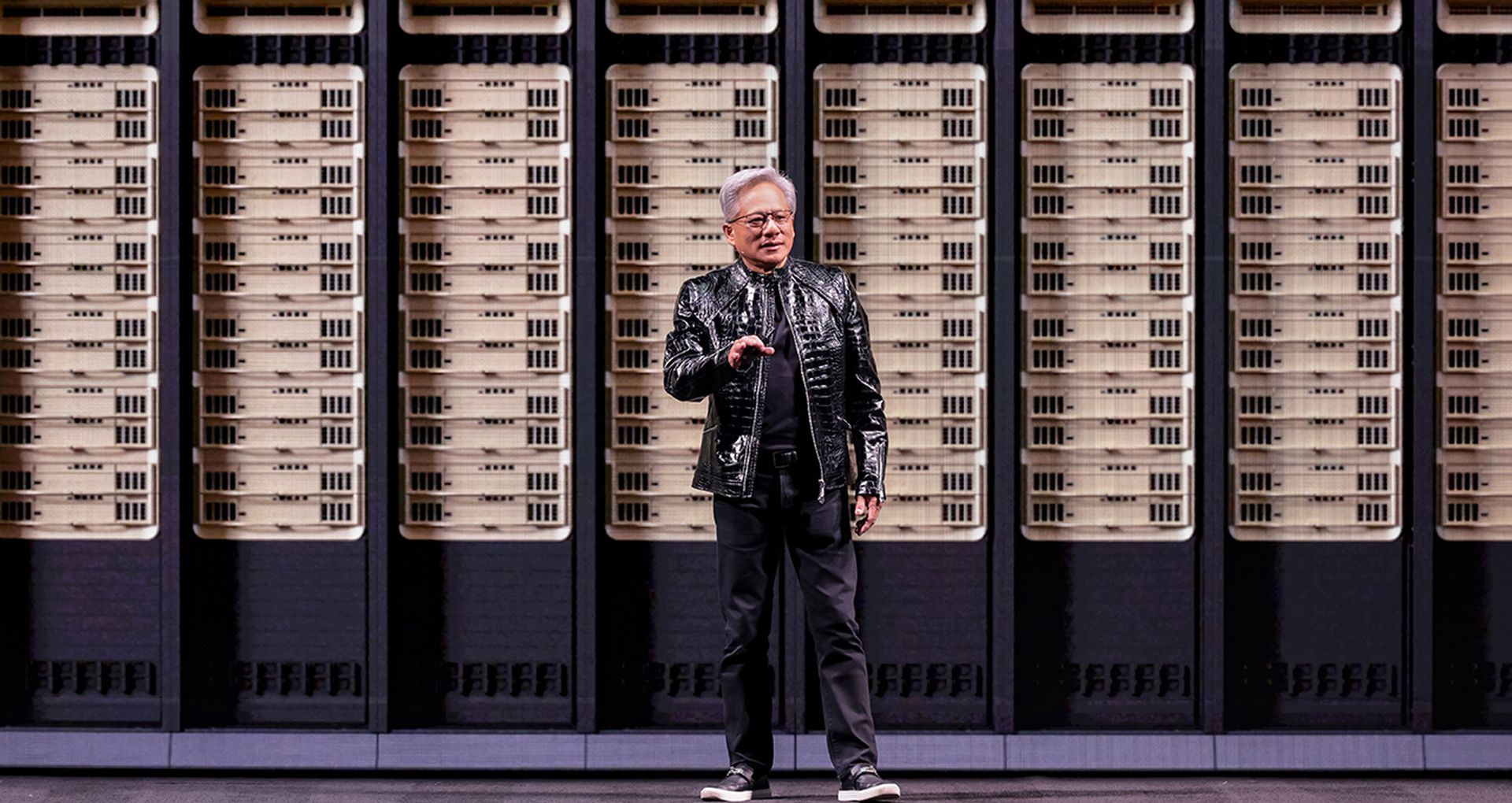
NVIDIA dominated the conversation at CES 2026, unveiling a massive roadmap that spans from next-gen data center chips to consumer gaming upgrades in a jam-packed presentation. The company’s keynote focused heavily on the concept of “physical AI” and the revolutionary Rubin platform, setting the stage for the next decade of accelerated computing. From autonomous agents to cloud gaming on Fire TV, here is the complete breakdown of every major reveal.
1. The Rubin platform paves the way for the next generation of AINVIDIA founder and CEO Jensen Huang officially unveiled the Rubin platform, the company’s first “extreme-codesigned” AI architecture. Named after astronomer Vera Rubin, the platform features six new chips, including the NVIDIA Vera CPU, the Rubin GPU, and the NVLink 6 Switch.
This new architecture is a significant leap forward from the Blackwell platform, designed to reduce the cost of inference token generation by up to 10x. It specifically targets the next frontier of “agentic AI” and massive-scale mixture-of-experts (MoE) models. By integrating these components, NVIDIA aims to make running complex, reasoning AI models significantly cheaper and faster for data centers globally.
2. GeForce NOW comes to Linux and Amazon Fire TVNVIDIA is aggressively expanding the accessibility of its cloud gaming service, GeForce NOW. The company announced a new native app for Linux PCs (supporting Ubuntu 24.04 and later) and a dedicated app for Amazon Fire TV sticks.
These updates allow users to stream games with GeForce RTX 5080-class performance on devices that traditionally couldn’t handle high-end gaming. The Linux app answers a long-standing request from the open-source community, while the Fire TV integration brings 4K PC gaming directly to the living room without the need for a console. Additionally, the service now supports hands-on flight sticks and throttles, bringing immersion to simulation games like Microsoft Flight Simulator 2024 streamed from the cloud.
 Image: Nvidia
3. DLSS 4.5 introduces Dynamic Multi Frame Generation
Image: Nvidia
3. DLSS 4.5 introduces Dynamic Multi Frame Generation
For the core gaming audience, NVIDIA revealed DLSS 4.5, the latest iteration of its AI upscaling technology. The highlight is a new “6X Multi Frame Generation” mode and a second-generation AI transformer model.
This technology can generate up to five additional frames for every traditionally rendered one, enabling path-traced gaming at over 240 frames per second on GeForce RTX 50 Series GPUs. It represents a massive boost in visual fidelity and fluidity, with support confirmed for upcoming blockbuster titles like 007 First Light and Resident Evil Requiem.
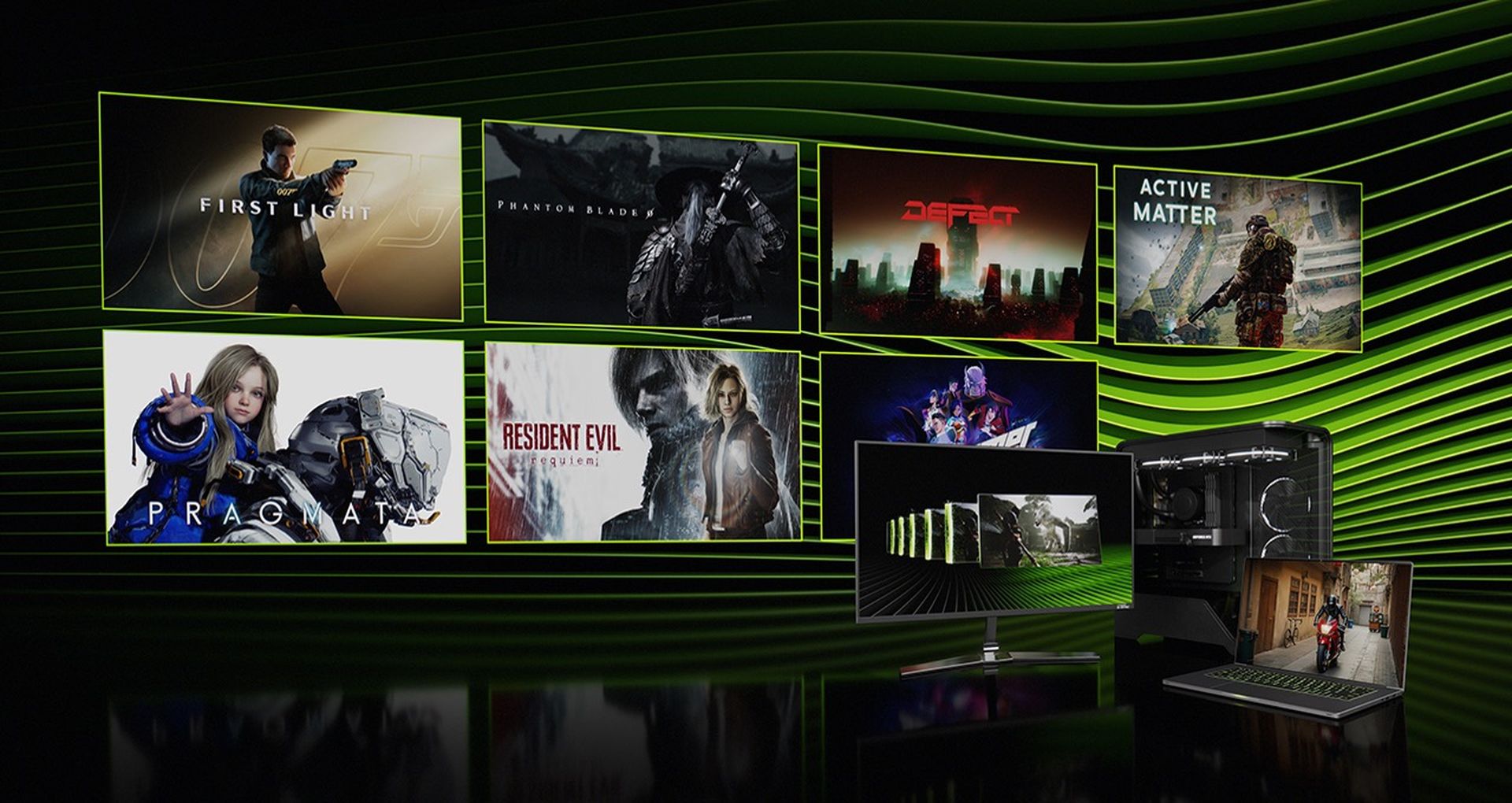 Image: Nvidia
4. Mercedes-Benz CLA debuts NVIDIA DRIVE AV software
Image: Nvidia
4. Mercedes-Benz CLA debuts NVIDIA DRIVE AV software
The automotive sector saw a major milestone with the announcement of the all-new Mercedes-Benz CLA, the first vehicle to feature NVIDIA’s full-stack DRIVE AV software.
This system provides enhanced Level 2 driver assistance capable of point-to-point urban navigation. It marks a shift toward “AI-defined driving,” where the vehicle uses an end-to-end AI stack for core driving functions alongside a classical safety stack. This architecture allows the car to handle complex urban environments and human-like decision-making, with the promise of continuous over-the-air updates to improve performance over time.
 Image: Nvidia
5. New Alpamayo models bring reasoning to autonomous vehicles
Image: Nvidia
5. New Alpamayo models bring reasoning to autonomous vehicles
NVIDIA launched the Alpamayo family of open-source AI models, designed to solve the “long tail” problem in autonomous driving. Unlike traditional systems, Alpamayo 1 utilizes “chain-of-thought” reasoning, allowing vehicles to think through rare, complex scenarios step-by-step and explain their decisions.
This release includes simulation tools and datasets, aiming to accelerate the development of safe, Level 4 autonomous vehicles. By making these tools open-source, NVIDIA is encouraging the broader industry to move away from rigid, rule-based driving systems toward flexible, reasoning-based AI.
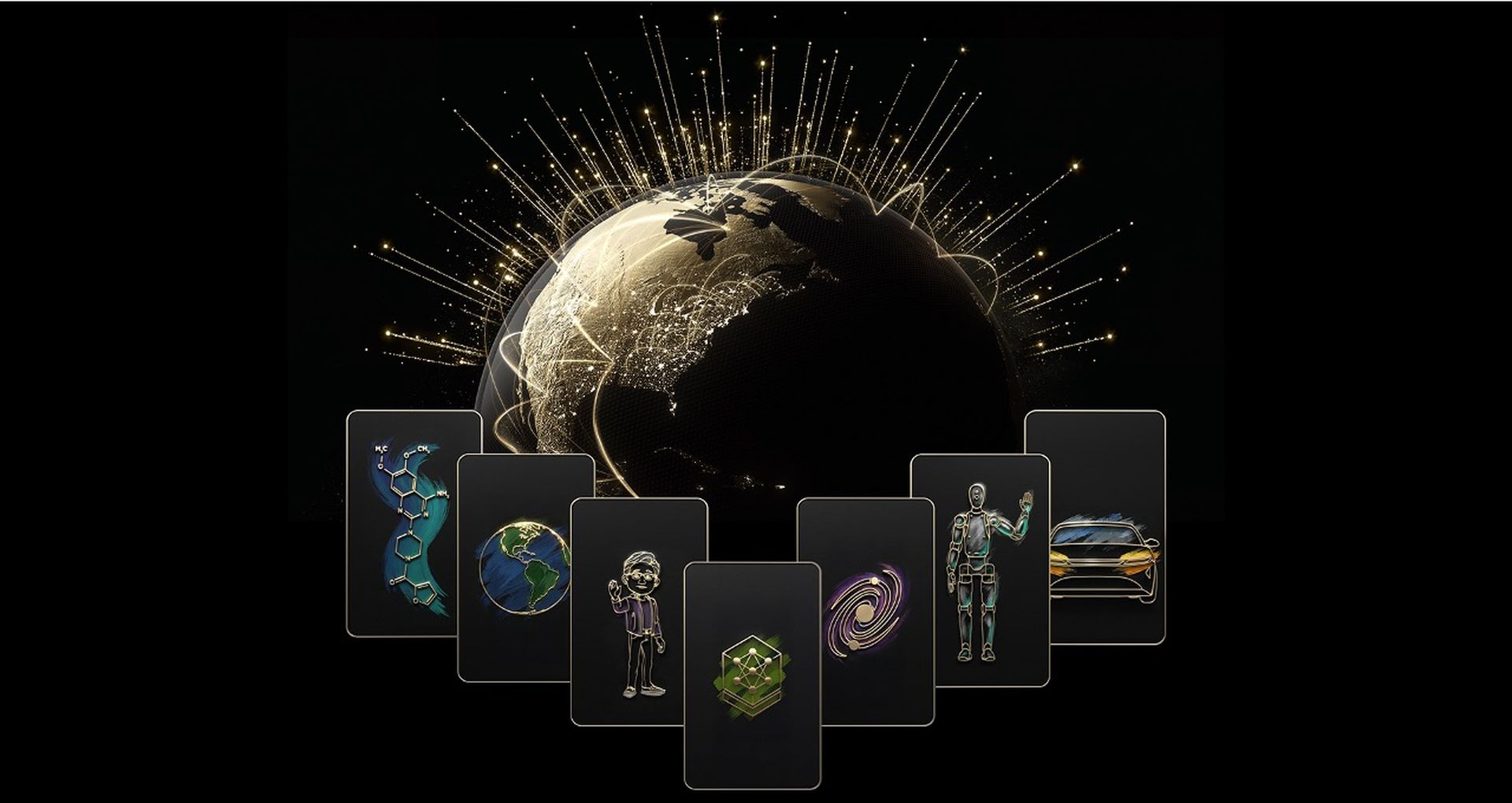 Image: Nvidia
6. NVIDIA ACE brings autonomous characters to Total War and PUBG
Image: Nvidia
6. NVIDIA ACE brings autonomous characters to Total War and PUBG
NVIDIA ACE technology is transforming non-playable characters (NPCs) from scripted bots into autonomous agents. In Total War: PHARAOH, a new AI advisor uses ACE to perceive the game state and help players navigate complex mechanics in real-time.
Similarly, in PUBG: BATTLEGROUNDS, a new “Ally” character features long-term memory, allowing it to recall past matches and collaborate on tactics. This innovation signals a move toward dynamic, context-aware interactions in gaming, where NPCs can plan and converse naturally rather than following a pre-written dialogue tree.
7. G-SYNC Pulsar monitors offer 1,000Hz motion clarityNVIDIA introduced G-SYNC Pulsar, a new display technology available in monitors launching this week. Using a technique called variable frequency backlight strobing, these displays deliver effective motion clarity exceeding 1,000Hz.
This addresses the “sample-and-hold” blur common on modern LCD and OLED screens. For competitive gamers, this means moving targets will remain razor-sharp, allowing for much higher tracking precision without the visual artifacts usually associated with motion blur reduction techniques.
8. DGX Spark and DGX Station bring supercomputing to the desktopTo support local AI development, NVIDIA unveiled two new hardware solutions: the DGX Spark and DGX Station. These are compact, deskside AI supercomputers powered by the Grace Blackwell architecture.
They are designed to allow developers to run and fine-tune massive open models locally—up to 1 trillion parameters on the DGX Station—before deploying them to the cloud. This provides a secure environment for prototyping with proprietary data and significantly reduces the reliance on expensive cloud infrastructure during the development phase.
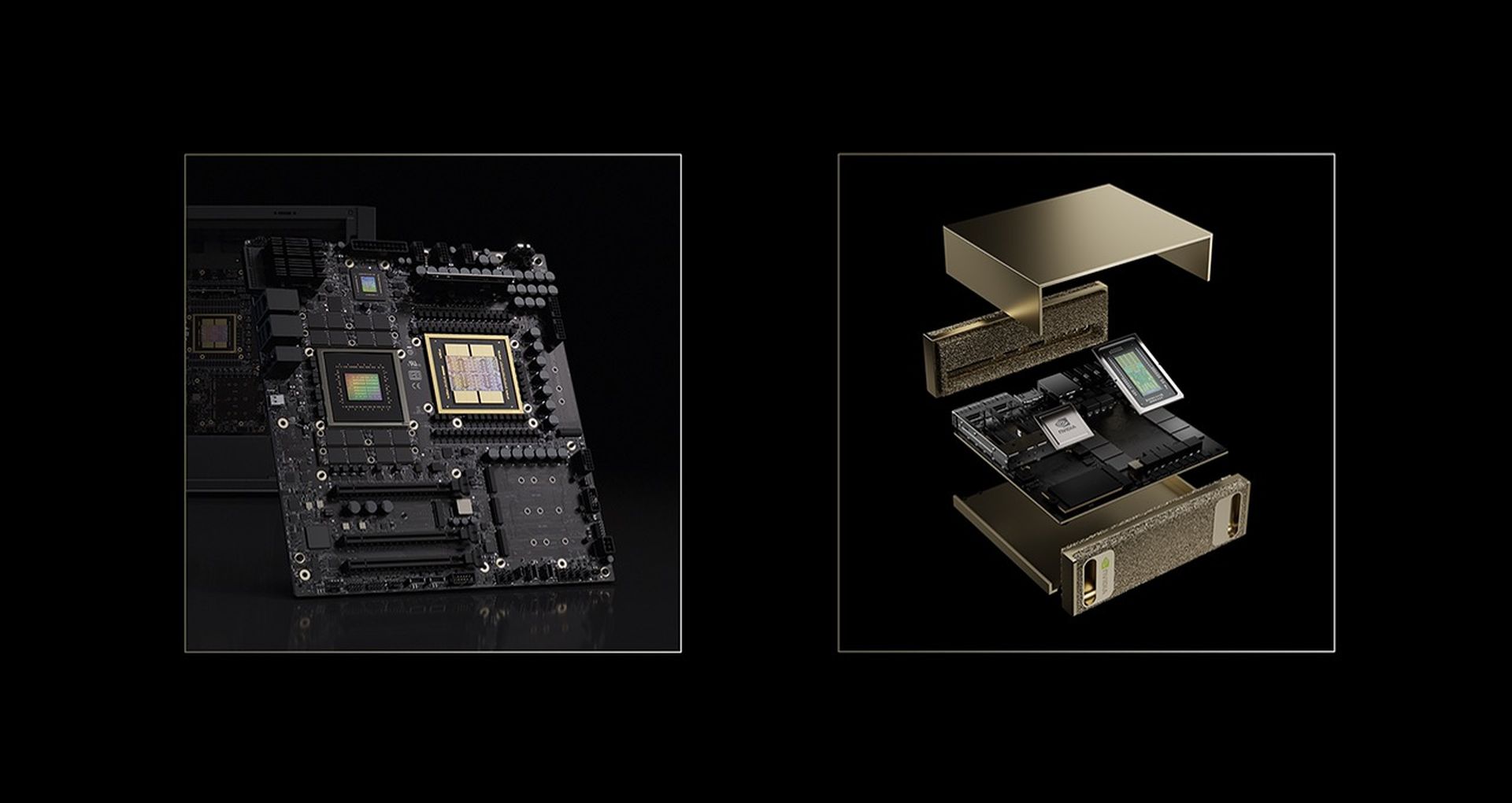 Image: Nvidia
9. RTX accelerates 4K AI video generation with LTX-2 and ComfyUI
Image: Nvidia
9. RTX accelerates 4K AI video generation with LTX-2 and ComfyUI
NVIDIA announced major optimizations for generative AI on consumer PCs, specifically focusing on the LTX-2 video model and ComfyUI. By utilizing PyTorch-CUDA optimizations and NVFP8 precision, creators can now generate 4K video up to 3x faster with significantly reduced VRAM usage.
This update effectively turns local RTX AI PCs into professional-grade video creation studios, removing the memory bottlenecks that previously made 4K video generation difficult on consumer hardware.
10. New open models launch for robotics and physical AINVIDIA released a suite of open models to advance “physical AI,” including NVIDIA Cosmos for world generation and NVIDIA Isaac GR00T for humanoid robot control.
These models help robots understand and interact with the physical world by providing reasoning capabilities and synthetic training data. Major partners, including Boston Dynamics and LG Electronics, are already integrating these technologies into their next-generation robots, allowing machines to perform complex tasks by “reasoning” through them rather than just following programmed movements.
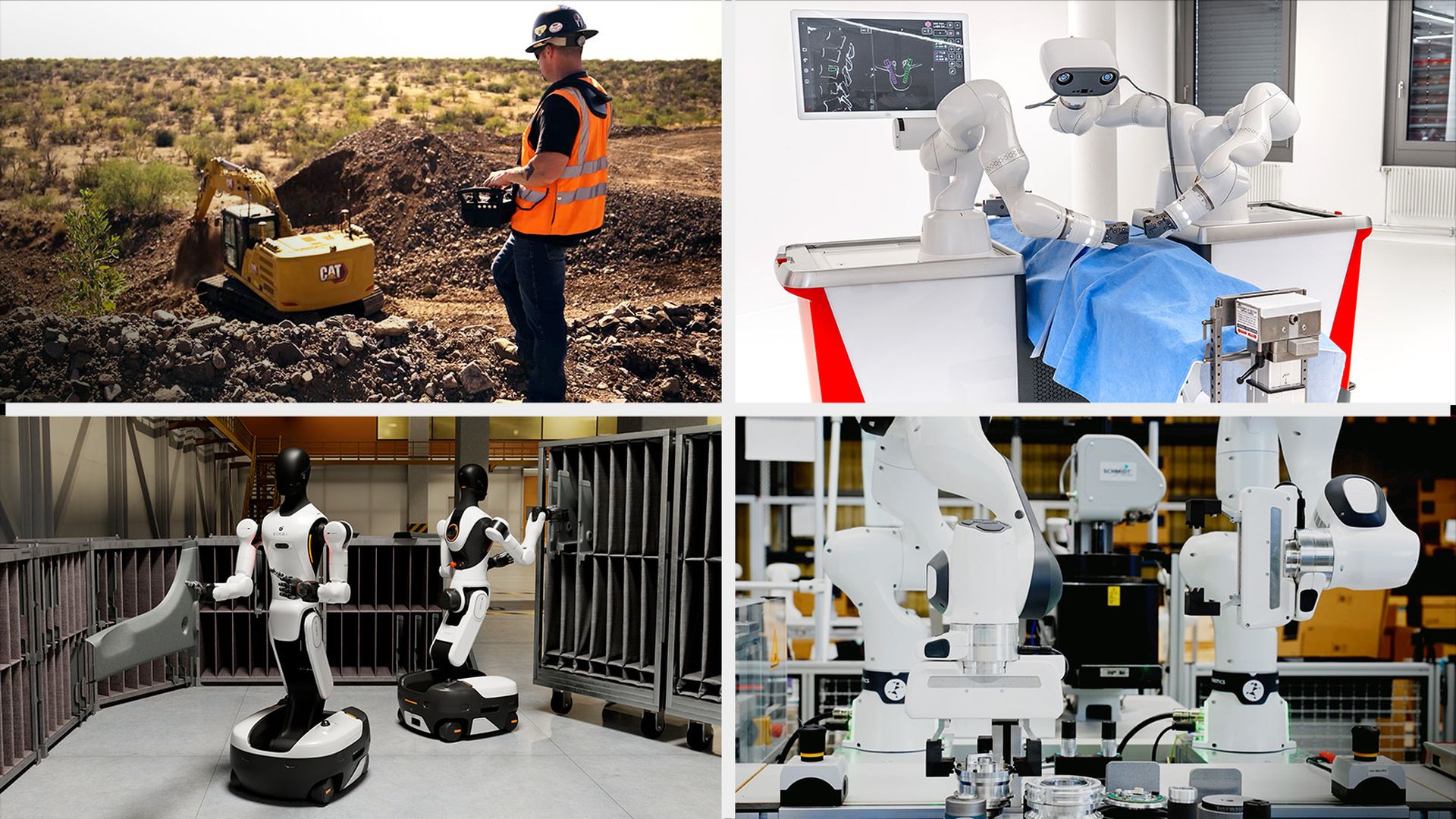 Image: Nvidia
11. BlueField-4 powers new AI-native storage infrastructure
Image: Nvidia
11. BlueField-4 powers new AI-native storage infrastructure
The new NVIDIA Inference Context Memory Storage Platform, powered by the BlueField-4 data processor, was introduced to handle the massive memory requirements of modern AI agents.
This infrastructure manages “context memory” (KV cache) for AI, boosting token generation speed and power efficiency by up to 5x. As AI models become more “agentic”—meaning they perform multi-step tasks over long periods—they require vast amounts of short- and long-term memory. This platform solves the infrastructure bottleneck required to deploy these agents at scale.